Project overview
Flow Studio
2023
UX/UI Case Study
End-to-end Product
Academic
UX Research
UX/UI Design
Brand Identity
Motion Product Design
Illustration
FIGMA
Adobe Suite
After Effects
Json / Lottie
Maze
AI-powered Art discovery & opportunities platform.
The problem.
Art enthusiasts and artists lack a unified platform to discover both local & global high-quality Art events, connect with communities, gain visibility and collaborate. Existing platforms are fragmented, often showcasing low-quality or irrelevant events, making it difficult to engage with meaningful Art experiences & with fellow art lovers.
The goal.
Redesign the onboarding experience to close the gap between what Bazaart could do and what new users believed it could do — and move the metrics that six months of tweaks couldn't.
Quick links
Empathize
If we don’t humanize technology, then who are we designing for?
persona
objectives
& interview script
Research approach
I decided to conduct user interviews in order to produce rich qualitative information, generate new ideas, evaluate existing product, confirm/infirm my assumptions & yield valuable results with a small sample size.
Methodology
1:1 interviews
3-5 in-persons / Google meet interviews
Note taking through Otter.ai.
Objectives
Explore and identify patterns of how participants attend Art events & collaborate. Identify pain points and unmet needs that participants face when trying to accomplish these 2 actions.

Open questions
- How do you currently connect with other artists online?
- How about offline?Tell me more about that experience.
- What are your current challenges & frustrations with the Art community?
- How do you currently keep up with Art events & workshops in your city? Globally?
- What type of Art events do you prefer attending? Why?
- Can you describe your last time attending art Art event & how it was for you?
- How many art events or workshops did you attend both online or offline last month? This year?
- How do you currently collaborate with other artists? Tell me more about that experience.
- Tell me more about that experience.What is your opinion on AI-led technology?
- Is there anything else you want me to know?
Open questions
- What type of app or tools do you currently use to discover new Artists?
- How about Art events or workshops?
- Do you buy tickets to Art events online? If yes how?
- What features do you like most about them and why?
- What features do you like the least and why?
- How could it be improved?
- How do you currently get tickets to Art events
- When is the last time you collaborated with a fellow artist ? Can you tell me more about that experience?
- Can you describe the last time you used AI to leverage your Art / in a professional context?
- How did it you feel about that experience?
- What are your thoughts on using AI to recommend Art events & content tailored to your interests?
Interview takeaways
Fragmentation
Participants expressed frustration with having to navigate multiple sites, social media pages, and newsletters to stay informed about events & call to Arts, leading to information overload & a sense of missing out on opportunities.
Frustrated
Overwhelmed
Inconsistency
Interviewees reported experiences with poorly organized events, misleading descriptions, and subpar exhibitions, undermining their trust and interest & making them hesitant to invest time and money in future events.
Distrustful
Disengaged

Intimidation
Interviewees find it tedious & inefficient to personally reach out to other Artists for collaborations / calls for Art. Many feel uncomfortable initiating contact due to fear of rejection or lack of confidence.
Insecure
Isolated
User
persona
Emma Chen
AGE
LOCATION
STATUS
OCCUPATION
EDUCATION
ART MEDIUM
INCOME
TECH USAGE
Background
Emma has been passionate about art since childhood. She pursued a Bachelor of Fine Arts and has been working as a freelance artist for 5 years. Emma participates in local and international art communities and is constantly seeking new ways to connect with other artists and art enthusiasts
Apps & platforms
Behance
ArtDeadline
Eventbrite
Facebook Events
Bumble BFF

I don’t go to many Art events because it can be so time-consuming to look for them on the internet & they’re often overpriced.
I wish I could collaborate more, but frankly it's so discouraging to reach out to a bunch of random artists on Instagram and hope for a response.
Goals
- Attend high-quality art events & workshop without breaking the bank.
- Grow her network & her skillset through collaboration with other artists.
- Gain visibility in the community both online & offline Stay updated on the latest art trends & events.
Challenges
- Already multitasks at work, feels overwhelmed with the fragmented sources of information for Art events & opportunities
- Lacks the time & motivation to personally reach out to other artists on Instagram & Pinterest
- Finds it tedious to stay in touch with Art news & events
Behavioral insights
- Emma spends about 2 hours daily on social media, primarily Instagram and Pinterest, for art inspiration.
- Attends approximately 3-4 art events or workshops per month, both online and offline.
- Actively participates in local art fairs & exhibits her work 2-3 times a year.
Payment methods


Key
objectives

Simplify
How might we gather Art event discovery, connect Artists and Art lovers, and fosters growth & collaborations all in one space?

Personalize
How might we leverage AI to create a comprehensive platform that efficiently filters & tailors Art discovery to each user’s need?

Amp up the fun
How might we make the experience of keeping up with opportunities & Art events entertaining rather than tedious?
Ideate
“The day before something is a breakthrough, it’s a crazy idea.”
definition
categorization
Roadmap
space definition
Introduction
In order to properly determine, categorize & prioritize features, I decided to get a deeper understanding into exactly what Art events & Calls for Art are.
What are Art events?
Art events encompass a wide range of activities and gatherings where art is created, displayed, discussed, or experienced. These events are designed to engage artists and art lovers, fostering a sense of community, education, and inspiration. They can be both physical and virtual, allowing for diverse participation and interaction.
What are Calls for Art?
Calls for art are invitations for artists to participate in various opportunities, such as exhibitions, grants, competitions, and collaborations. These calls seek to discover and promote talent, provide funding or resources, and encourage artistic growth and innovation. They are essential for artists looking to gain exposure, develop their careers, and engage with the art community.

Art Event types
1. Art Exhibitions
Types: gallery showings, museum exhibitions, solo or group artist showcases, virtual gallery tours, online exhibitions.
2. Art Fairs / Festivals
Large-scale art fairs, local art festivals, art and craft fairs, digital art festivals.
3. Workshops / Classes
In-person workshops, hands-on art classes, live demonstrations, webinars, live-streamed art classes, pre-recorded tutorial series.
4. Art Auctions
Traditional & charity art auctions, estate sales, online auction platforms, live-streamed bidding events.
5. Art Talks / Panels
Lectures, artist talks, panel discussions, , webinars, live-streamed discussions, podcast interviews.
6. Art Performances
Live art performances, interactive installations, street art events, live-streamed performances, VR experiences.
7. Open Studio Events
Artist studio open houses, art walks, studio tours, virtual studio tours.

Art Event types
1. Grants
Individual artist grants, project-specific grants, research grants from private foundations, and corporate sponsors.
2. Exhibitions
Solo exhibitions, group exhibitions, open calls, juried exhibitions.
3. Residences
Artist residencies, research residencies, studio residencies.
4. Competitions / Awards
Art contests, juried competitions, thematic competitions, awards and public art contests.
5. Internships / Fellowships
Museum internships, gallery internships, research fellowships.
6. Project Collaborations
Collaborative art projects, cross-disciplinary collaborations, art projects involving artist-artist, artist-institution, or artist-community partnerships.
MVP
roadmap
Prototype
If I build it,
will they come?
& wireframes
testing
takeaways
& UI kit
prototype
User flow
& wireframes
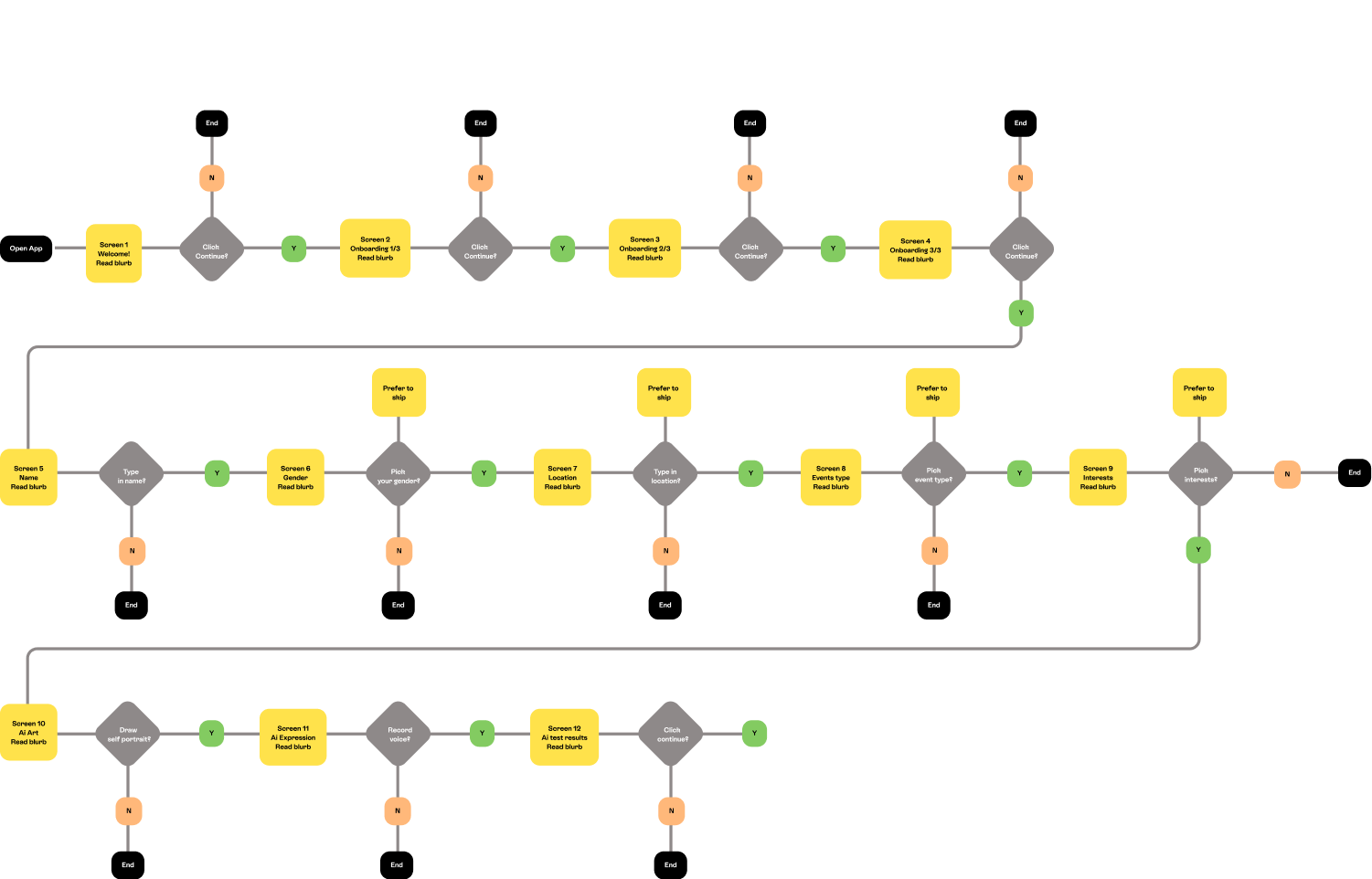
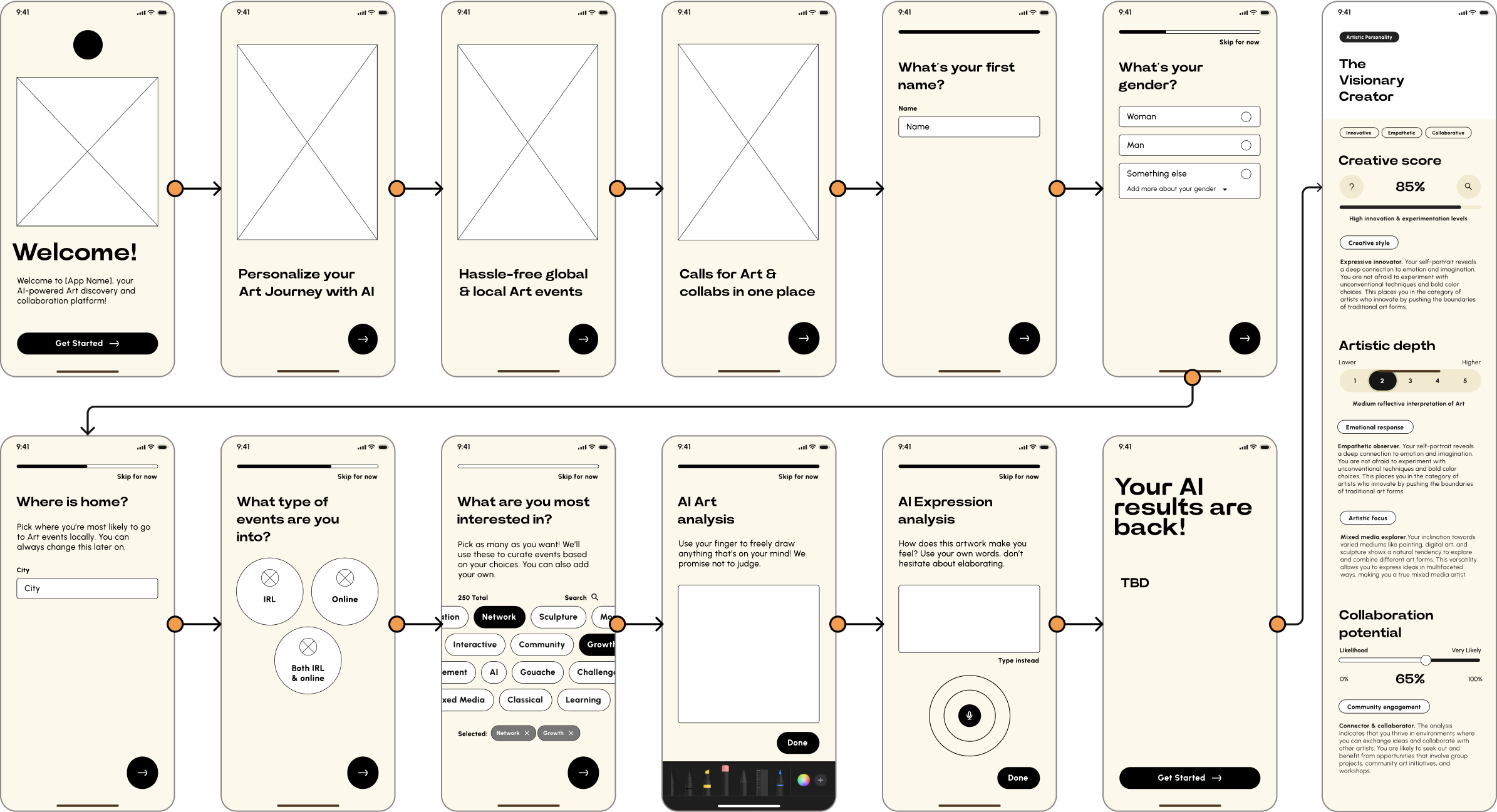
Why a user flow?
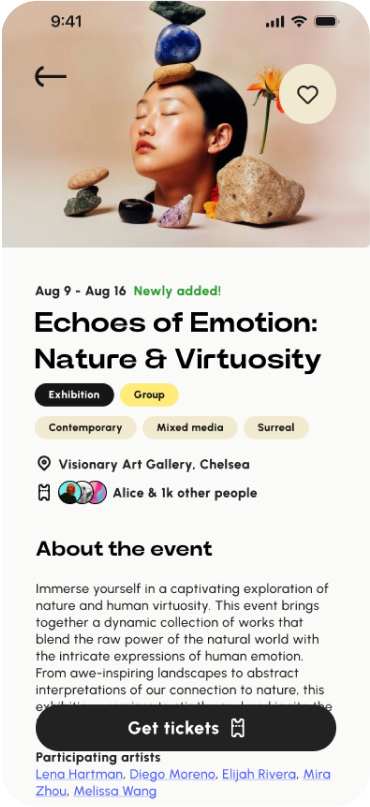
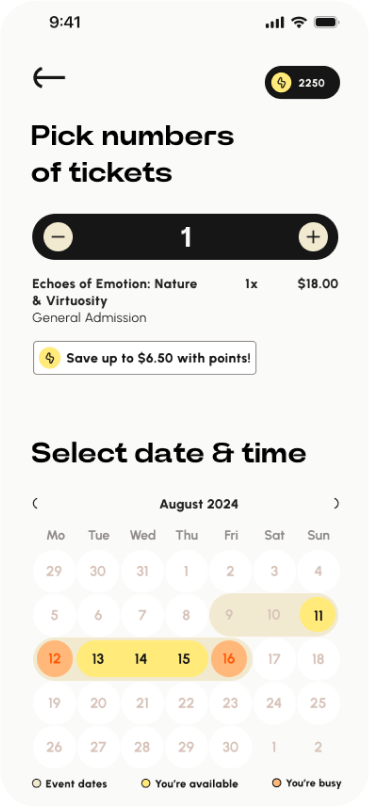
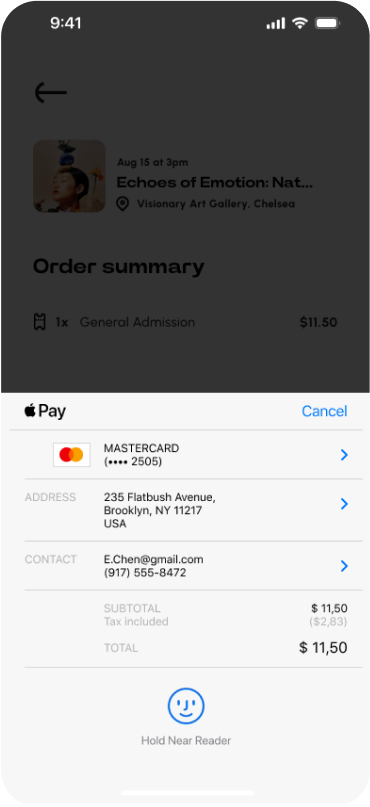
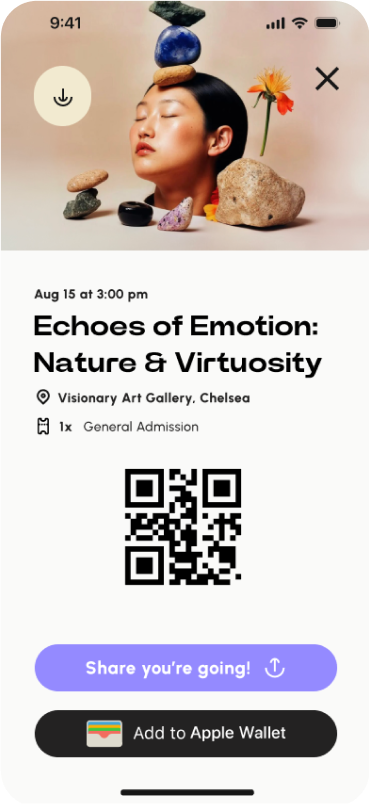
I decided to focus on creating a user flow for a first-time user looking to purchase an event. The idea was to develop this specific user flow into wireframes ready for user testing, in order to make sure the process of both the initial onboarding + event search would be intuitive enough for someone who had never used the app before.
Onboarding | User flow preview
Onboarding | Lo-fi wireframes preview
User flow
& wireframes
Research approach
Time and monitor users asking them to complete a specific task > complete the purchasing of one event “Echoes of emotions”.The user is asked to verbally describe their actions & comment on their emotional state as they go through it.
Methodology
1:1 Google meet interview | 2-3 persons | observations only (no guiding)Prototype built through Figma | Note taking though Otter.ai
Objectives
- Identity “wrong paths” if any in order to correct
- Prevent user fatigue & maximize retention of the critical 1st time opening the app
- Track their mood & the time it takes them to accomplish the task.
Overwhelming
onboarding
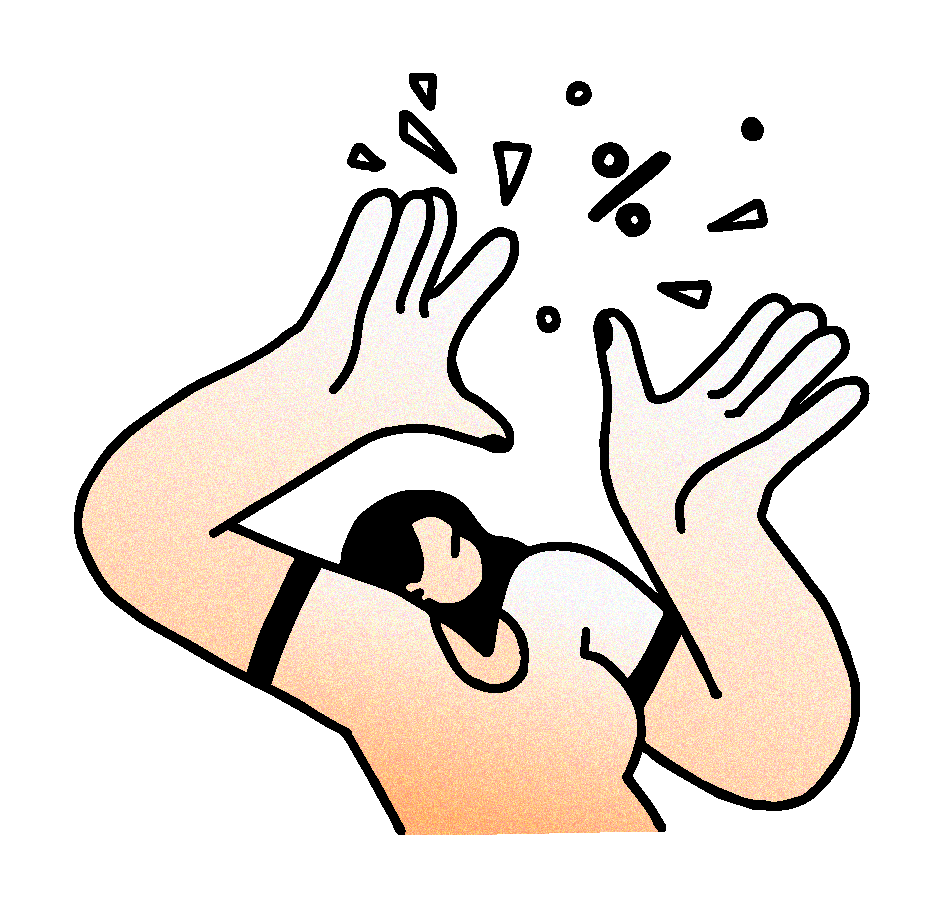
Finding. Onboarding felt too long & fragmented making users question why they had to complete all steps before getting to their goal.
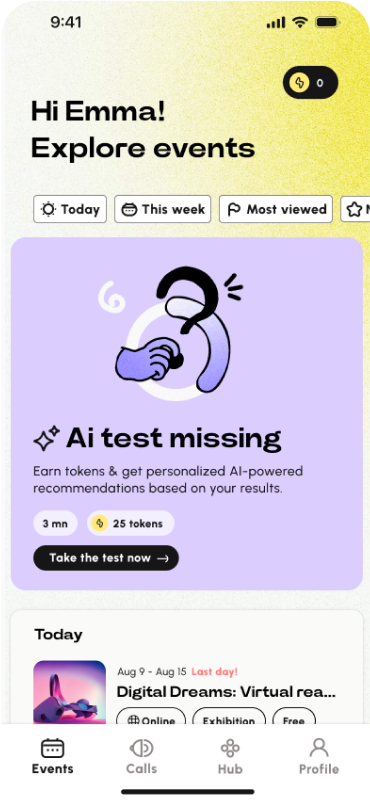
Solution. I streamlined the process, allowing earlier event exploration & delayed some of the questionings to a later “profile creation” task.
AI test
lack of depth
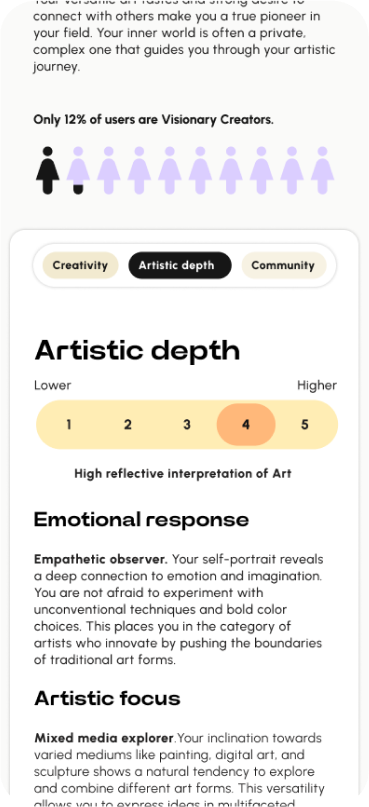
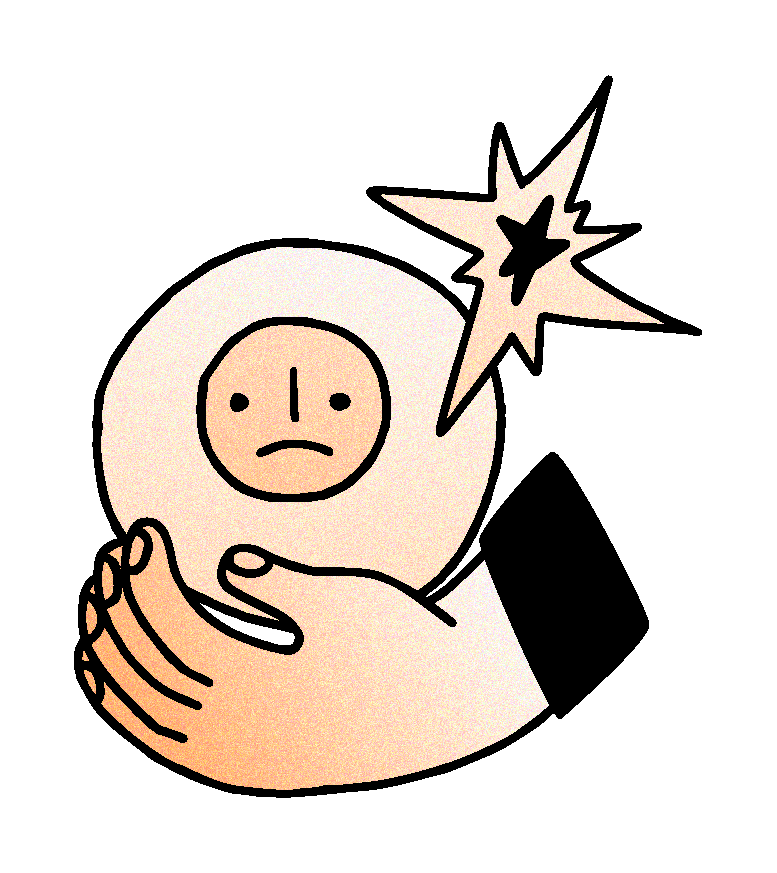
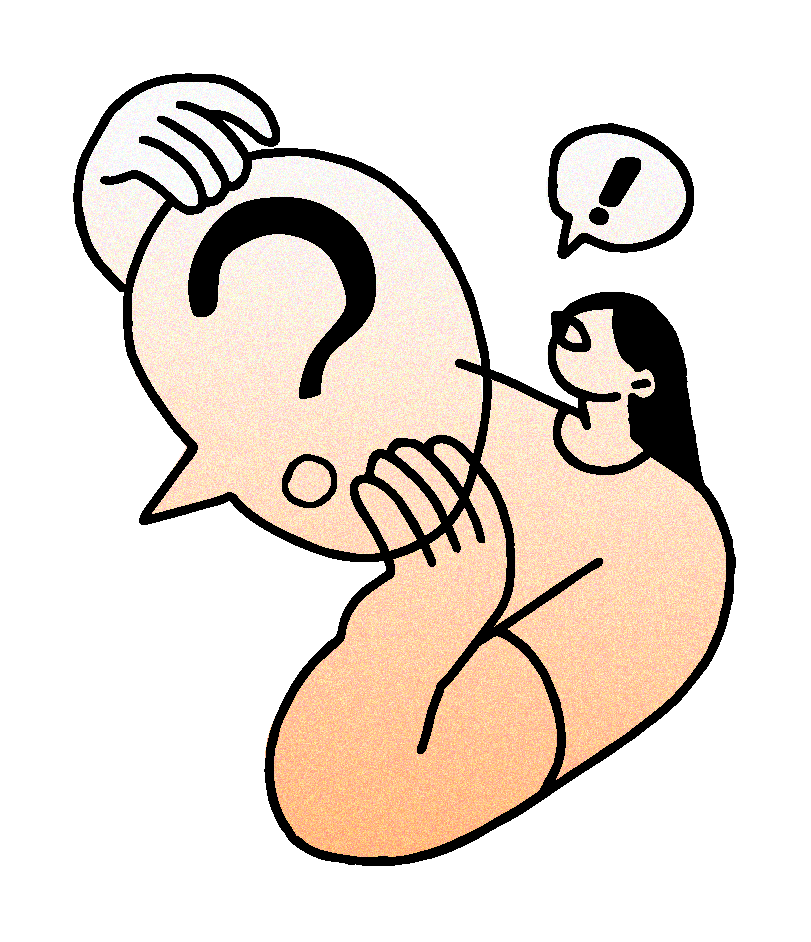
Finding. The two-part AI test was seen as insufficient, and the quantifiable results felt discouraging and unfriendly.
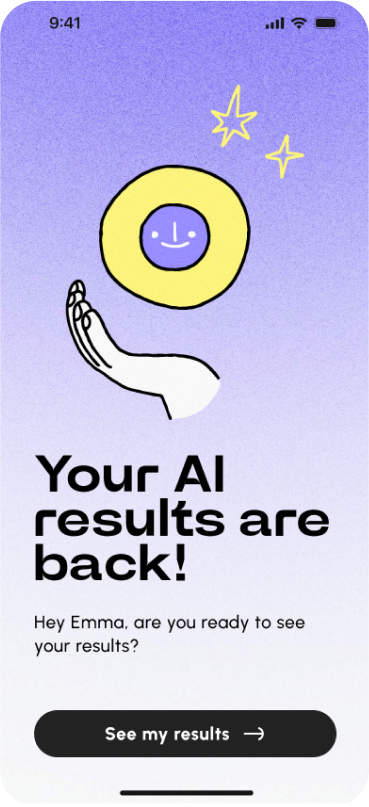
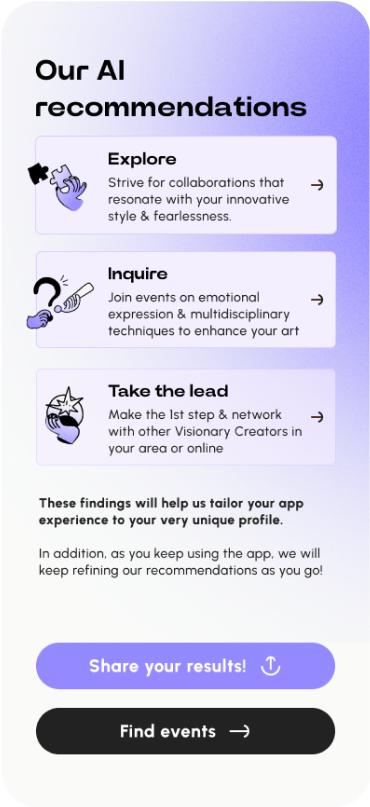
Solution. I added a third part to the AI test for depth, switch to a type-based categorization, & broke down results into tabs for easier navigation.
Discouraging
navigation
Finding. The interface felt "click-heavy," without option to back track, with some paragraph titles mistaken for buttons.
Solution. I simplified navigation, reduced clicks, & clarified UI elements to distinguish text from interactive elements.
Branding
& UI kit
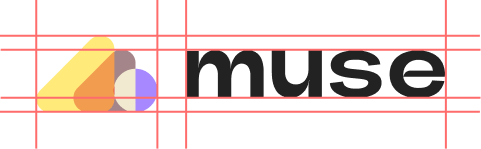
Why “muse”?
The name "Muse" was chosen to embody the app's core mission: to inspire, guide artists & fuel their artistic journeys.I decided to focus on creating a user flow for a first-time user looking to purchase an event. The idea was to develop this specific user flow into wireframes ready for user testing, in order to make sure the process of both the initial onboarding + event search would be intuitive enough for someone who had never used the app before.
Minimalist color scheme
By working with very few colors, Iintentionally created a visual environment that feels spacious and uncluttered, giving the artwork and event imagery room to breathe and resonate. The use of yellow was selected for its vibrant, energetic qualities, symbolizing creativity and optimism.
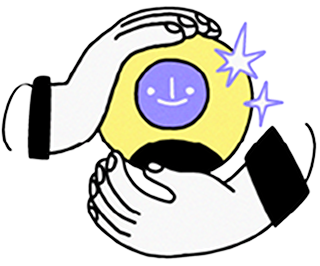
Characterful illustrations
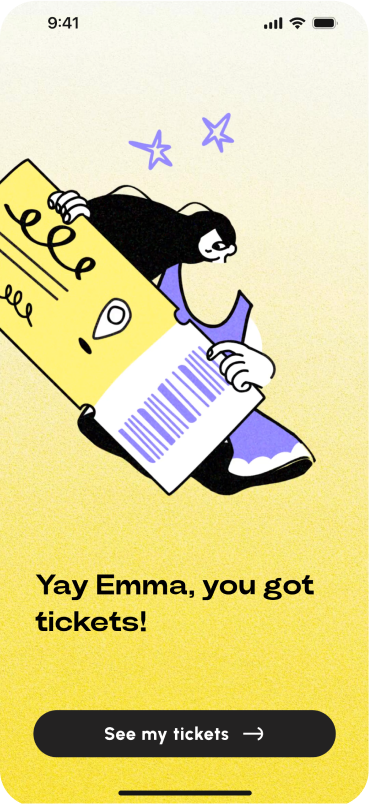
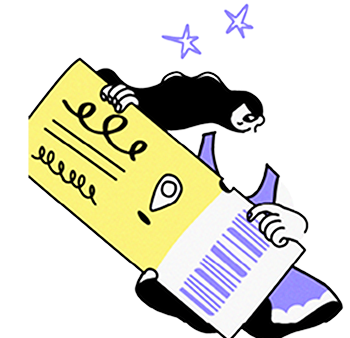
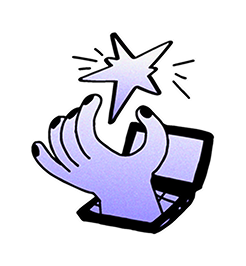
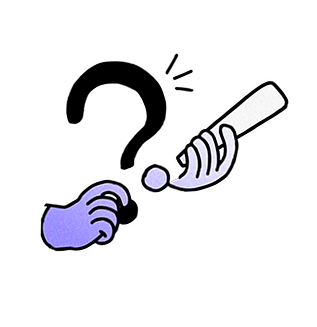
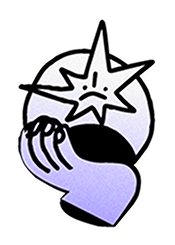
These warm & personable visuals guide users through tasks in an engaging & approachable manner, simplifying & enhancing navigation. Their whimsical style also aligns with the creative spirit of the art community, supporting the app's mission to inspire & create.
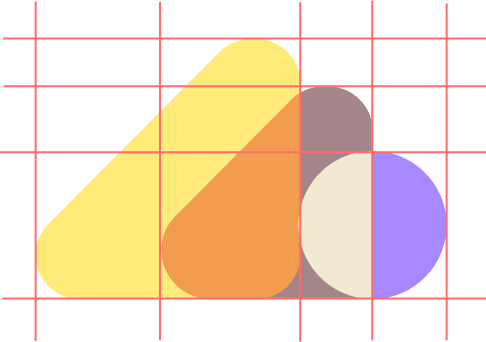
Logo design
Primary colors
#232222
#232222
#FFEA7A
#948AFF
Secondary colors
#E5E0DA
#FFFFFF
#FDFF8B
#DBCEFF
#8E8989
#FFB87A
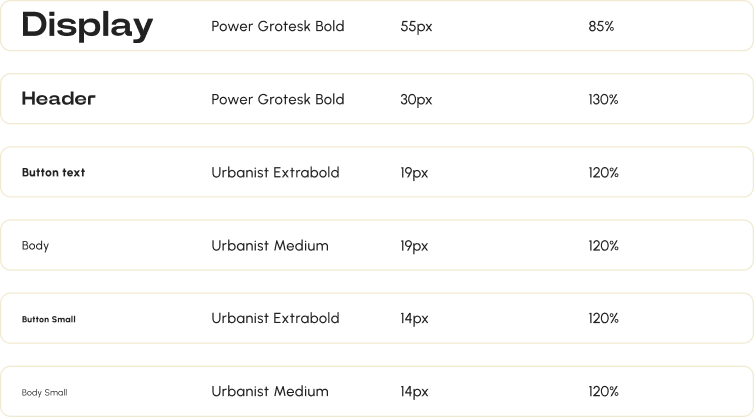
Typography
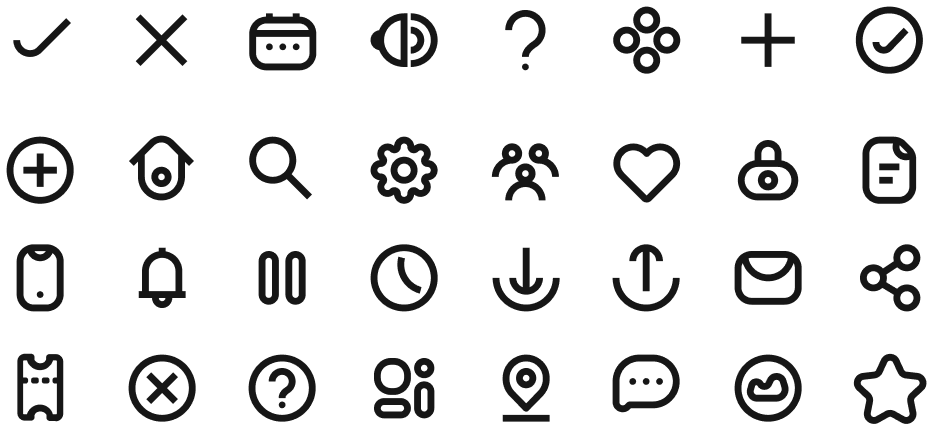
Icons
UI Previews